Norwegian Forest Cat
A large, gentle semi-longhair with a weatherproof coat and a love of climbing. Norwegian Forest Cats are friendly and adaptable, and they take years to fully mature.
- Lifespan
- 14–16 years
- Adult weight
- 4.1–7.3 kg
- Size
- Large
- Energy
- Moderate
- Grooming
- Regular
- Shedding
- Moderate
Depends on the individual. Training, children, other pets and time alone vary from animal to animal. These parts of the guide help:
Jump to a section
Meet the Norwegian Forest Cat
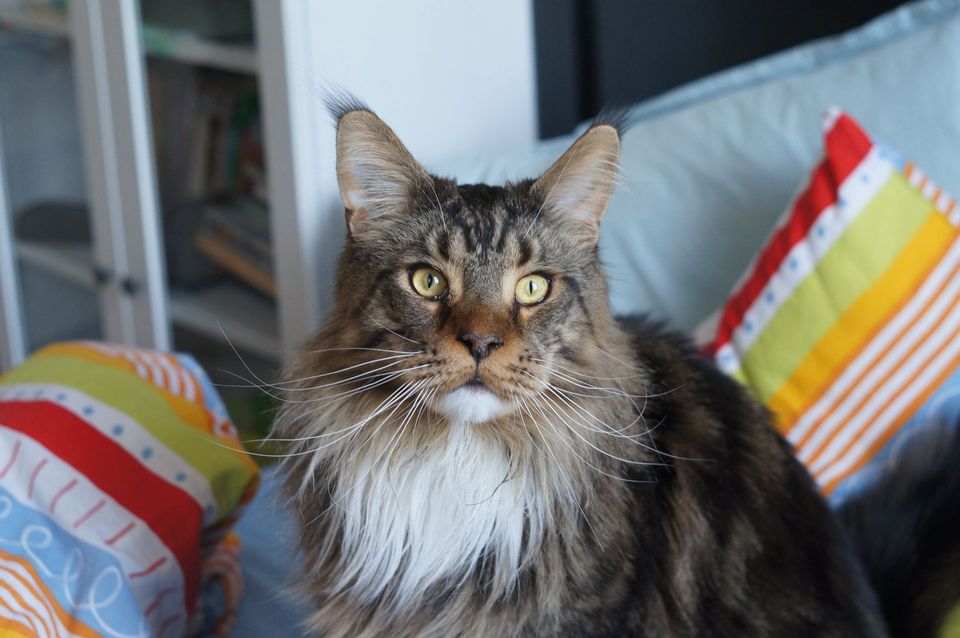
With its thick ruff, tufted ears and long bushy tail, the Norwegian Forest Cat looks ready for a Scandinavian winter, and in a way it is. This natural breed developed over centuries in Norway's harsh climate, working as a farm cat and, according to legend, sailing with the Vikings. In Norway it is known as the skogkatt, and fans often call it the "Wegie".
Wegies are large, sturdy and solidly built, yet still graceful. They are slow developers that can keep filling out until around their fifth birthday, so your fluffy kitten has a long growing-up period ahead.
Cat registries describe the breed as gentle, friendly and intelligent, social without being clingy. Many enjoy being near their people and joining in household life on their own terms. As always, individual cats vary, so meeting a kitten's parents tells you more than any breed description.
Energy and play
Norwegian Forest Cats are usually described as moderately active. Many have relaxed spells punctuated by sudden bursts of energy, when they race around, ambush toys and climb anything tall. They are strong, agile climbers and can even come down trees head first.
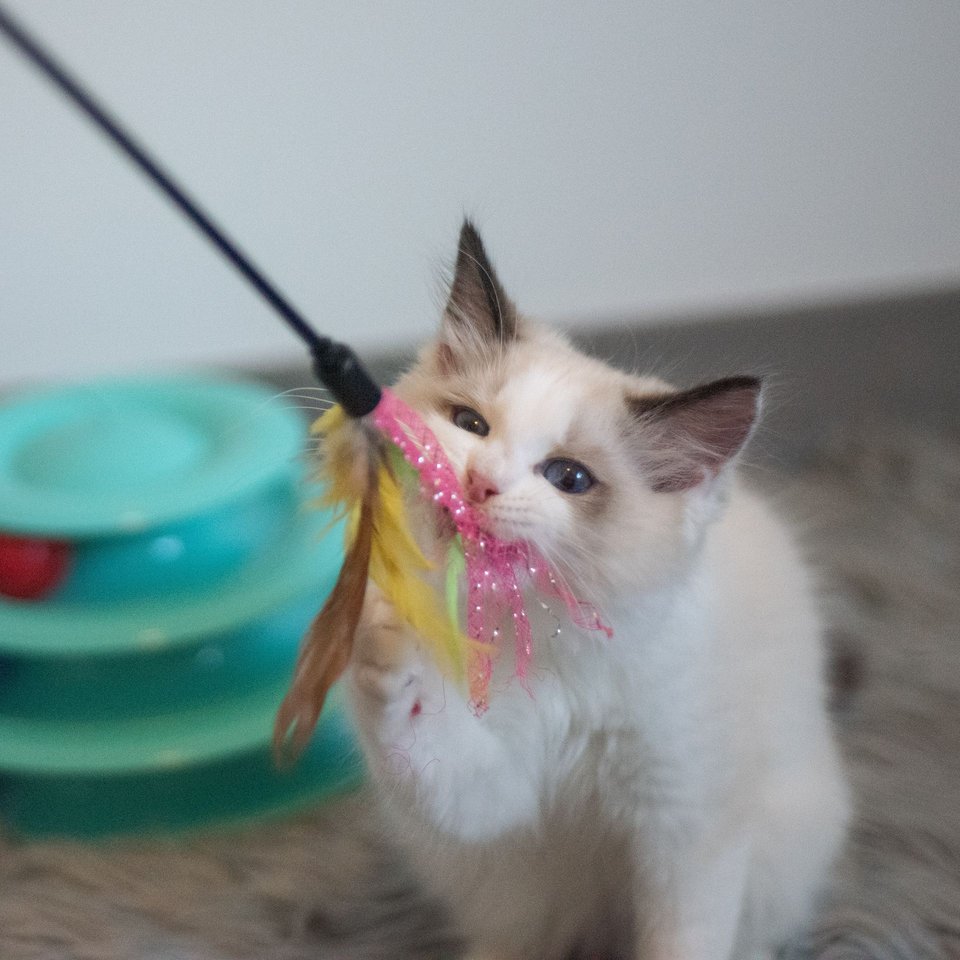
A couple of interactive play sessions each day help channel that energy. Wand toys that mimic birds or mice, toss-and-chase balls and hide-and-pounce games suit their hunting style well. Puzzle feeders give their clever minds something to work on, especially while you are out.
Wegies are generally good at entertaining themselves, but they still need stimulation and company. Rotate toys, create safe climbing routes and spend time playing together. Keep fish tanks and ponds covered too: the breed is known for its interest in fishing.
Home and environment
Think big and sturdy. A Norwegian Forest Cat needs climbing furniture built for a heavy cat: a tall, stable cat tree with wide platforms, wall shelves securely fixed in place and a window spot for watching birds. Without high places, many will happily claim the top of the kitchen cupboards instead.
Scratching posts should be tall and heavy enough not to wobble when a large cat stretches against them. Offer both vertical and horizontal scratchers around the home. Choose large litter trays with plenty of room to turn around, keep them in quiet places and scoop daily; one tray per cat plus one extra is a good rule.
Wegies can adapt to indoor life when their needs are met, and secure outdoor access, such as a catio, adds enrichment safely. They usually enjoy a calm household and tend to be content without constant attention.
Coat care and grooming
The semi-long double coat looks like hard work, but it is surprisingly manageable. A dense, woolly undercoat sits beneath a smooth, water-repellent topcoat, and it tends to tangle less than the coats of many longhaired breeds. A weekly comb-through with a metal comb is usually enough for most of the year.
Spring is the exception. As the thick winter coat gives way to a lighter summer one, expect a lot more loose hair. Comb several times a week during this moult to remove dead undercoat before it knots, paying attention to the ruff, armpits, belly and the "trousers" on the back legs. Some coat textures mat more easily and need extra care.
Baths are rarely needed, and that water-resistant coat takes ages to soak and dry. Use grooming time to check claws, ears and teeth, and keep sessions short and rewarding.
Learning, handling and social life
Wegies are intelligent and independent, a combination that rewards patient, gentle teaching. Short sessions with treats or play can teach them to use scratching posts, come when called, sit for a reward or walk into a carrier calmly. Forcing the issue rarely works; making the right choice easy and rewarding does.
Socially, they are friendly and adaptable. Many enjoy being near their people and following along with daily routines, but they prefer to decide for themselves when to climb onto a lap. They can be reserved with strangers at first, so give visitors time and let the cat approach.
Breed descriptions note that Norwegian Forest Cats usually cope well with gentle children, other cats and dogs that are calm around cats. Introductions should still be slow and supervised. Getting a kitten used to gentle handling, brushing and the carrier early makes grooming and vet visits much easier later.
Health and wellbeing
Norwegian Forest Cats are generally considered a robust, healthy natural breed, but there are inherited conditions to know about. Hypertrophic cardiomyopathy (HCM), a disease of the heart muscle, has occurred in the breed, and so has glycogen storage disease type IV, a serious inherited disorder for which a DNA test exists. Responsible breeders screen for these and remove carriers from their breeding programmes, so ask to see results for both parents.
Some breed information also mentions anecdotal susceptibility to urinary problems, which is one more reason to encourage good hydration and a suitable diet. Your vet can advise on what fits your cat.
Because Wegies are big, slow-maturing cats, keeping them lean helps protect their joints and overall health as they grow. Plan regular vet check-ups, keep vaccinations and parasite prevention up to date, and ask for advice early if you notice changes in breathing, energy, appetite or litter habits.
Feeding
Norwegian Forest Cats take several years to reach full size, so feeding is a long-term project. Choose a complete, balanced food appropriate for your cat's life stage, and treat the pack guidance as a starting point rather than a rule. Your vet can help you decide when to move from kitten to adult food and how much a growing Wegie needs.
That thick coat can hide weight gain, so feel along the ribs and waist rather than relying on looks, and weigh your cat regularly. Serving portions in puzzle feeders or as several small meals helps prevent boredom eating, and treats count toward the daily total.
Encourage drinking with fresh water in wide bowls or a fountain, placed away from the food and litter tray. Wet food can also add moisture. If you see changes in thirst, appetite or weight, talk to your vet.
Is a Norwegian Forest Cat right for you?
A Wegie can be a wonderful fit if you want a gentle, sociable cat that enjoys family life without demanding constant attention. Homes with respectful children, other friendly pets and space for sturdy climbing furniture often suit them well. If you like a calm companion with occasional bursts of playful mischief, this breed has a lot to offer.
Think twice if you are not prepared for seasonal coat care, especially the spring moult, or if your home has no room for a large cat tree and a roomy litter tray. These are big cats with big needs when it comes to space and furniture. If anyone in your household has allergies, spend time around cats before committing.
Choose a breeder who tests for inherited heart and metabolic conditions and raises kittens in a home environment, or look for an adult Wegie in rescue whose personality is already known.
Quick questions
How big do Norwegian Forest Cats get? They are large cats that grow slowly and may not be fully mature until around four to five years old.
Do they shed a lot? Shedding increases noticeably in spring, when the winter coat comes out. Extra combing then helps prevent knots.
Are they good with children? Many get on well with respectful children and other friendly pets, but every cat is an individual.
Can they live indoors? Yes, with sturdy climbing furniture, scratching posts and daily play; a secure catio is a bonus.
Sizes and varieties
| Adult weight (kg) | Height (cm) | |
|---|---|---|
| Adult males | 5.4–7.3 | – |
| Adult females | 4.1–5.4 | – |
Characteristics and everyday care
Broad tendencies, not scores or guarantees about an individual animal. Age, health and variety also affect needs.
- Large cat build
- An editorial planning category, not a score or a guarantee about an individual cat. See the breed guide and assess the animal.
- Regular daily play
- An editorial planning category, not a score or a guarantee about an individual cat. See the breed guide and assess the animal.
- Regular coat care
- An editorial planning category, not a score or a guarantee about an individual cat. See the breed guide and assess the animal.
- Some shedding
- Expect loose hair; season and the individual coat affect the amount.
References
General information, not veterinary advice. Talk to a vet about your pet’s individual needs.