British Shorthair
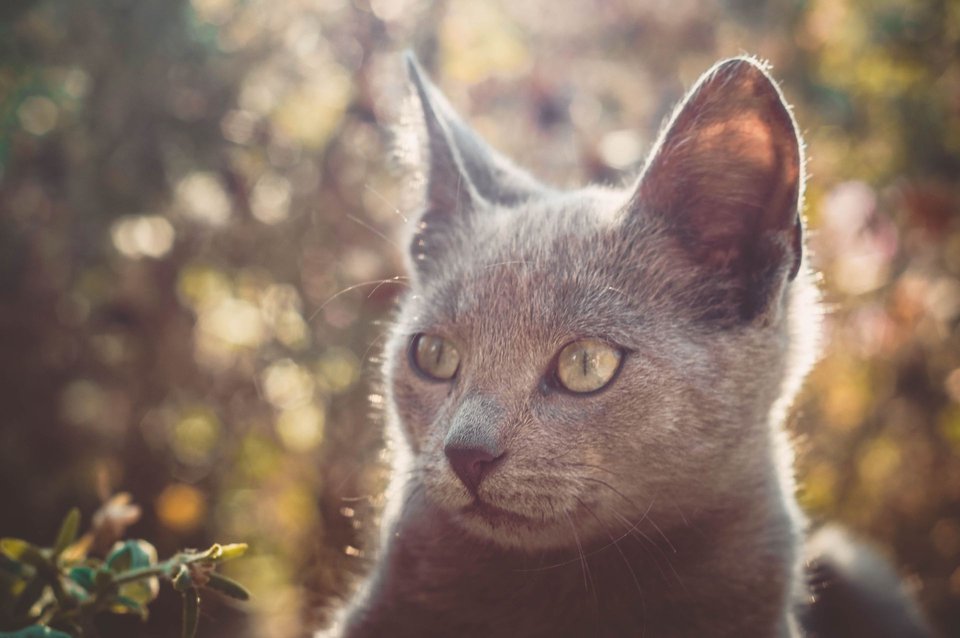
A sturdy, short-coated cat with a dense coat and rounded appearance. Plan for regular play, weight checks and a quiet place to retreat rather than assuming a calm reputation means no daily needs.
- Lifespan
- 14–20 years
- Adult weight
- 3–7.7 kg

Getting to know the breed
A sturdy, short-coated cat with a dense coat and rounded appearance. Plan for regular play, weight checks and a quiet place to retreat rather than assuming a calm reputation means no daily needs.
Personality in everyday life
A British Shorthair may enjoy sharing a room without wanting to spend the whole evening on someone’s lap. Notice whether your cat chooses a nearby chair, a brief greeting or a game; closeness can take several forms. Let the animal approach and avoid repeatedly picking it up to prove that it is affectionate.
A relaxed reputation should not make changes in behaviour invisible. Learn your cat’s usual pattern of play, contact and rest so you can notice a difference. Ask about the particular cat’s experience with children and other animals, and arrange introductions with separate retreat spaces rather than relying on a breed label.
Activity and enrichment
Offer interactive games, scratching surfaces and secure climbing opportunities. Let the individual cat set the pace of handling and company; a relaxed manner does not remove the need for movement.
Home and space
Sketch where resting, play, litter and feeding areas will go. Where can the cat retreat, and how will windows and balconies be secured? Decide who will cover care during absences.
Offer stable resting and climbing places with easy access, not only a high perch that is difficult to reach. Keep litter, food and quiet retreat areas thoughtfully arranged. If the cat spends much of the day resting, build short invitations to play into your routine rather than assuming a calm household is enrichment enough.
Food and feeding
Before arrival, prepare questions for your vet: which complete food suits the life stage, how should body condition be monitored, and when should portions change? Do not set food grams from a breed name alone.
A rounded face and dense coat can make visual weight judgement difficult. Learn body-condition assessment with your veterinary team and track changes consistently. Measured meals and a record of treats make the routine easier to review; do not feed toward a heavier look simply because it seems typical of the breed.
Coat and everyday care
Check the dense coat regularly and increase brushing when loose hair builds up. Older cats may need more help maintaining their coat. Short hair is not the same as no grooming.
Learning and social life
Ask the previous carer about handling, travel, visitors and other pets. Plan gradual introductions and reward-based learning. Actively supervise children and animals together.
Health and welfare
Discuss healthy body condition and family health records with your vet. Ask about screening relevant to heart disease and inherited kidney disease. A breed profile cannot predict whether an individual cat will become ill.
Before you decide
Compare needs with your time, budget and experience, then meet the individual animal. Who will help during travel or illness? Consider adoption too; a good match does not depend on a pedigree.
Characteristics and everyday care
Broad tendencies, not scores or guarantees about an individual animal. Age, health and variety also affect needs.
- Medium cat build
- An editorial planning category, not a score or a guarantee about an individual cat. See the breed guide and assess the animal.
- Regular daily play
- An editorial planning category, not a score or a guarantee about an individual cat. See the breed guide and assess the animal.
- Regular coat care
- An editorial planning category, not a score or a guarantee about an individual cat. See the breed guide and assess the animal.
General information, not veterinary advice. Talk to a vet about your pet’s individual needs.