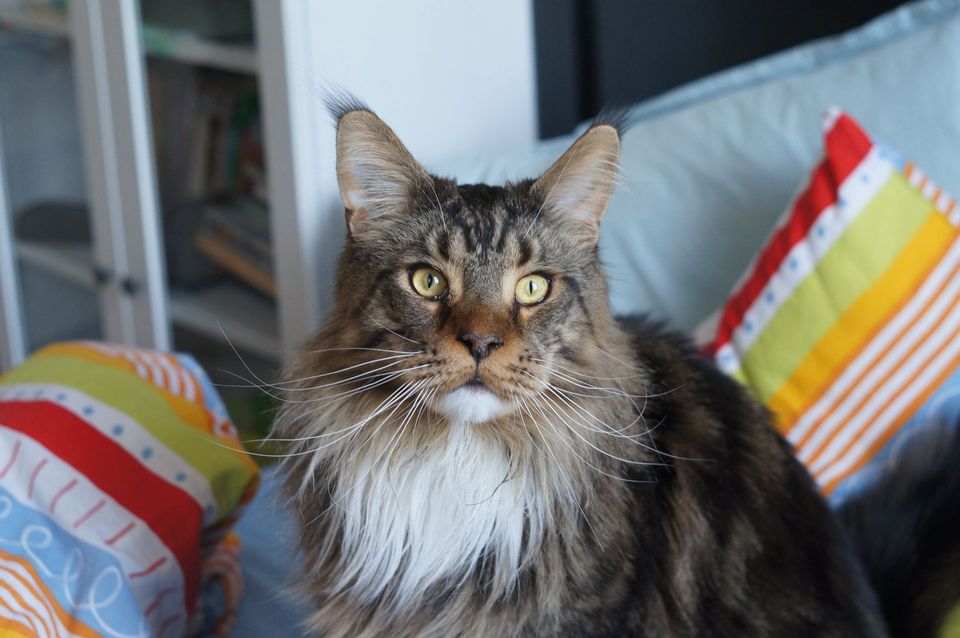
Russian Blue
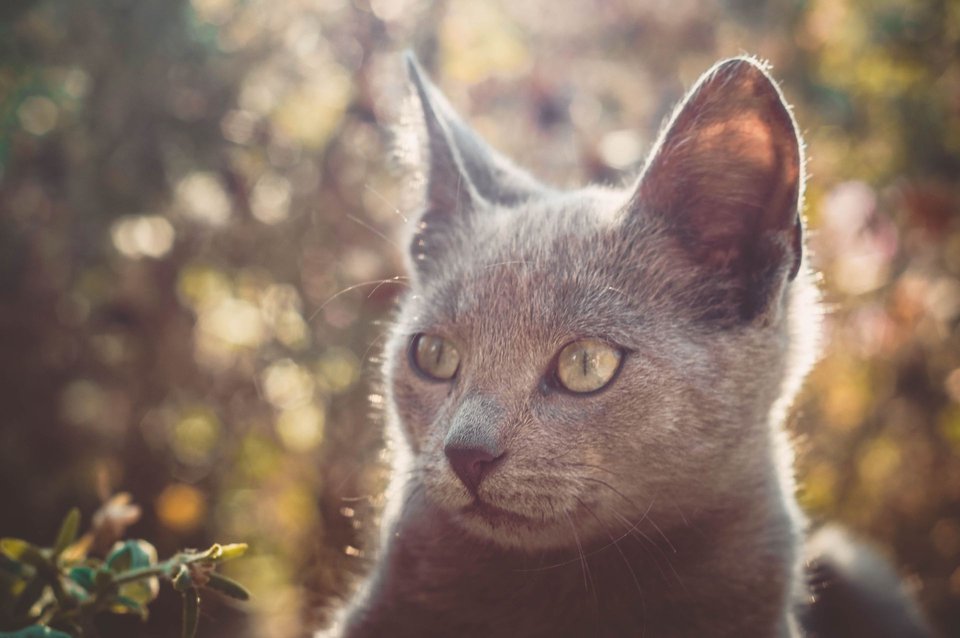
The Russian Blue combines a short, dense grey-blue coat with a comparatively understated appearance. Choosing one should be about daily compatibility, not colour or an allergy claim. This profile concerns the blue variety; some registries also recognise related black and white Russians.
- Lifespan
- 12–15 years
- Adult weight
- 3.6–6.8 kg
Getting to know the breed
The Russian Blue combines a short, dense grey-blue coat with a comparatively understated appearance. Choosing one should be about daily compatibility, not colour or an allergy claim. This profile concerns the blue variety; some registries also recognise related black and white Russians.
Personality in everyday life
A Russian Blue may take time to investigate unfamiliar people while being much more engaged with a trusted person. Allow introductions to unfold without lifting the cat out of its hiding place. Being reserved at a first meeting does not tell you what the relationship will feel like after settling in.
Keep a predictable routine, offer invitations to play and let the cat end contact. Ask its previous carer about visitors, handling and time alone. No breed description establishes how many hours a particular cat can comfortably spend without company or supervision.
Activity and enrichment
Offer climbing routes, scratching surfaces and interactive games, even when the cat seems content resting. Rotate simple challenges and observe which activities maintain interest. Provide secure windows and balconies and consider safe enclosed outdoor opportunities where appropriate. A quiet home still needs opportunities to explore.
Home and space
Sketch where resting, play, litter and feeding areas will go. Where can the cat retreat, and how will windows and balconies be secured? Decide who will cover care during absences.
Food and feeding
Before arrival, prepare questions for your vet: which complete food suits the life stage, how should body condition be monitored, and when should portions change? Do not set food grams from a breed name alone.
Coat and everyday care
A short coat can make maintenance more straightforward, but regular gentle brushing and skin checks still matter. Practise handling before a nail trim or veterinary visit becomes urgent. Changes in grooming, appetite or tolerance of touch deserve investigation rather than being dismissed as the cat’s usual reserve.
Learning and social life
Ask the previous carer about handling, travel, visitors and other pets. Plan gradual introductions and reward-based learning. Actively supervise children and animals together.
Health and welfare
Do not interpret a breed’s healthy reputation as immunity from illness. Review veterinary records, arrange preventive care and monitor weight and dental health. No cat breed can guarantee an allergy-free household; consult your own clinician if allergies are a concern and spend time around the particular animal before deciding.
Before you decide
Compare needs with your time, budget and experience, then meet the individual animal. Who will help during travel or illness? Consider adoption too; a good match does not depend on a pedigree.
Characteristics and everyday care
Broad tendencies, not scores or guarantees about an individual animal. Age, health and variety also affect needs.
- Medium cat build
- An editorial planning category, not a score or a guarantee about an individual cat. See the breed guide and assess the animal.
- Regular daily play
- An editorial planning category, not a score or a guarantee about an individual cat. See the breed guide and assess the animal.
- Simpler coat routine
- An editorial planning category, not a score or a guarantee about an individual cat. See the breed guide and assess the animal.
- Some shedding
- Expect loose hair; season and the individual coat affect the amount.
General information, not veterinary advice. Talk to a vet about your pet’s individual needs.