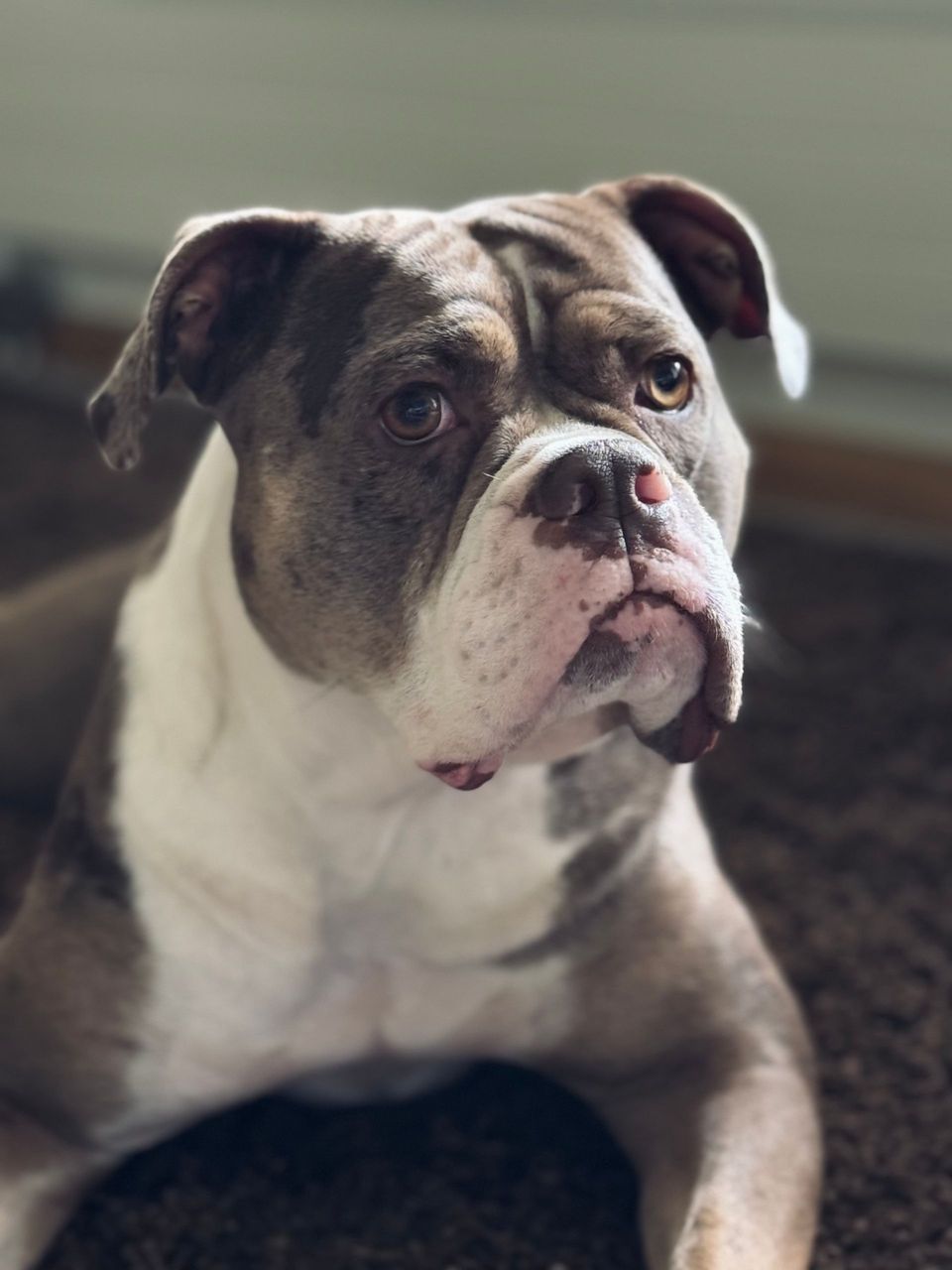
Cavalier King Charles Spaniel
A gentle, affectionate toy spaniel that loves people and adapts to most homes. Cavaliers need company, moderate exercise and owners who take health screening seriously.
- Lifespan
- 12–15 years
- Adult weight
- 5.9–8.2 kg
- Height
- 30–33 cm
- Size
- Small
- Energy
- Moderate
- Grooming
- Regular
- Shedding
- Moderate
Depends on the individual. Training, children, other pets and time alone vary from animal to animal. These parts of the guide help:
Jump to a section
Meet the Cavalier King Charles Spaniel
The Cavalier King Charles Spaniel is a small dog with a soft expression, large dark eyes and a reputation as one of the friendliest breeds around. Its name nods to the English royal court, where toy spaniels were favorite companions, but beneath the lapdog image sits a little sporting spaniel that still enjoys a walk and a good sniff.
According to the AKC, adults usually stand about 30–33 cm at the shoulder and weigh roughly 5.9–8.2 kg. The silky, medium-length coat comes in several color combinations, with pretty feathering on the ears, legs and tail.
Cavaliers tend to be gentle, affectionate and keen to stay close to their people, and many greet strangers and other pets like old friends. That sociable nature is a big part of their charm, but it also means they usually dislike being left alone for long. As always, these are breed tendencies, and every dog is its own individual.
Exercise and energy
Cavaliers are flexible about exercise. Most are happy with a couple of daily walks and some play, and they will just as cheerfully curl up on the sofa afterwards. Their spaniel roots show in their love of sniffing and exploring, and many enjoy dog sports such as agility, rally or obedience.
One thing to plan for: many Cavaliers keep a strong instinct to follow scents and chase birds or small animals. Once that nose is on a trail, recall can suddenly disappear. Keeping your dog on a lead in unfenced areas and saving off-lead play for securely fenced spaces is the safest approach.
Moderate, regular exercise also helps keep weight in check, which matters for this breed. Adjust the intensity for puppies and older dogs, avoid strenuous play in hot weather, and talk to your vet if your Cavalier tires much faster than usual or seems short of breath.
Home and lifestyle
A Cavalier can settle into a flat or a house, in town or in the country, as long as it has company. This is a breed that wants to be part of family life: following you from room to room, sitting at your feet and joining in wherever people gather. A small garden is a bonus, provided the fence is secure.
Because they are so people-focused, many Cavaliers struggle with long stretches alone. If everyone in the household is out all day, think about doggy daycare, a dog walker or a trusted neighbor, and practice short, calm periods of alone time from puppyhood.
Cavaliers are usually good with children and friendly with other dogs and animals, which makes them a popular family choice. Supervision is still important with young kids, who should learn to handle a small dog gently. Most Cavaliers will bark to let you know someone is at the door, but they are rarely serious guard dogs, so don't count on one to protect the house.
Coat care and grooming
The Cavalier's silky coat looks glamorous but is fairly manageable. Brushing a few times a week keeps it glossy and stops the feathering on the ears, legs and feet from tangling. An occasional bath and a tidy-up of the hair between the paw pads are usually all the extra care needed.
The coat does shed, so expect some hair on clothes and furniture. Regular brushing catches loose hair before it reaches the sofa and gives you a chance to check the skin for lumps, scratches or parasites.
Those long, heavy ears deserve special attention. Check them weekly for redness, odor or discharge, and ask your vet how to clean them safely if needed. Keep the nails trimmed, since overgrown nails can be uncomfortable, and get your Cavalier used to tooth brushing early. Grooming sessions double as cuddle time, which most Cavaliers fully approve of.
Training and behavior
Cavaliers are usually a joy to train. They are smart, sensitive and eager to please, and they respond beautifully to praise, food rewards and play. Many go on to do well in obedience, rally or agility, and their gentle manner makes some of them excellent therapy dogs.
Because they are soft-natured, harsh words or physical corrections can easily upset them. Keep sessions short, positive and fun, and finish on a success. Early socialization is still essential: meeting different people, places, sounds and calm dogs during puppyhood helps a Cavalier grow into a confident, relaxed adult.
Two areas often need extra work. The first is recall, because a tempting scent can outweigh even a favorite treat, so practice in safe, enclosed spaces. The second is coping with being alone. Build up time apart gradually, keep departures low-key and leave your dog something enjoyable to do, so that being left becomes no big deal.
Health
Cavaliers can live about 12 to 15 years, according to the AKC, but the breed is known for several inherited health concerns, which makes choosing a puppy carefully especially important. Heart valve disease (mitral valve disease) is a major concern in the breed. Others include certain eye conditions, slipping kneecaps, hip problems, ear infections and a neurological condition called syringomyelia.
The good news is that many of these can be screened for. Before choosing a puppy, ask the breeder for proof of the parents' heart examinations, eye tests, hip and knee evaluations and any further screening the breed club recommends, such as MRI scans for syringomyelia, and look at the results yourself. National kennel clubs and the breed's parent club publish information on these schemes.
Regular vet check-ups, including listening to the heart, are part of good Cavalier care. Contact your vet promptly if you notice coughing, tiring easily, unusually fast breathing at rest, frequent scratching near the neck or head, or signs of pain. Your vet is the right person to advise on any condition.
Feeding
A complete, balanced food that suits your Cavalier's age, size and activity level is the foundation. Whether you choose commercial or home-prepared food, involve your vet if you are unsure, especially with a home-made diet, which is easy to get wrong. Fresh water should always be available.
Cavaliers often love food and know exactly how to look hungry, and some are prone to gaining weight. Use the feeding guide on the label as a starting point, then adjust based on your dog's body condition. You should be able to feel the ribs easily without pressing hard and see a waist when you look down from above. Weigh your dog regularly so that changes don't sneak up on you.
Training treats count toward the day's food, so use small pieces or set aside part of the regular meal. Go easy on table scraps and fatty leftovers, and keep dangerous human foods well out of reach. Ask your vet before making diet changes, particularly if your dog has a health condition.
Is a Cavalier right for you?
A Cavalier can be a good fit if you want an affectionate, gentle companion that enjoys both a walk and a cuddle, someone is at home for much of the day, and you like a dog that tends to get along with children, visitors and other pets. Many first-time owners find them easy to live with and pleasant to train.
Think twice if your budget can't stretch to regular vet visits and possible ongoing care, as the breed has several known health concerns. Consider your routine as well: a Cavalier left alone for long days is likely to be unhappy. And if you want a fierce watchdog or an independent dog that enjoys its own company, another breed may suit you better.
Above all, take the time to find a responsible breeder who health-screens the parent dogs, or a reputable rescue that can tell you about the dog's history. Breed tendencies help you prepare, but the individual dog is the one you will live with.
Quick questions
Are Cavaliers good with children? They tend to be gentle and patient, which makes them popular with families, but young children and dogs should always be supervised together.
How big do Cavaliers get? The AKC gives a height of about 30–33 cm and a weight of roughly 5.9–8.2 kg for adults.
Do Cavaliers shed? Yes, they do. Brushing a few times a week helps keep loose hair under control.
Which health tests should I ask about? Ask the breeder about heart, eye, hip and knee screening of both parents, plus any other tests the breed club recommends.
Characteristics and everyday care
Broad tendencies, not scores or guarantees about an individual animal. Age, health and variety also affect needs.
- Small size
- A broadly small adult build; confirm the individual dog’s measurements.
- Moderate activity needs
- Daily suitable activity is still needed; age and health change the plan.
- Regular brushing
- Allow regular brushing time and care appropriate to the coat.
- Some shedding
- Expect loose hair; season and the individual coat affect the amount.
References
General information, not veterinary advice. Talk to a vet about your pet’s individual needs.