Boxer
A strong, bouncy and endlessly entertaining family dog who needs daily exercise, patient training and protection from hot weather.
- Lifespan
- 10–12 years
- Adult weight
- 23–36 kg
- Height
- 55–64 cm
- Size
- Large
- Energy
- High
- Grooming
- Minimal
- Shedding
- Moderate
Depends on the individual. Training, children, other pets and time alone vary from animal to animal. These parts of the guide help:
Jump to a section
Meet the Boxer
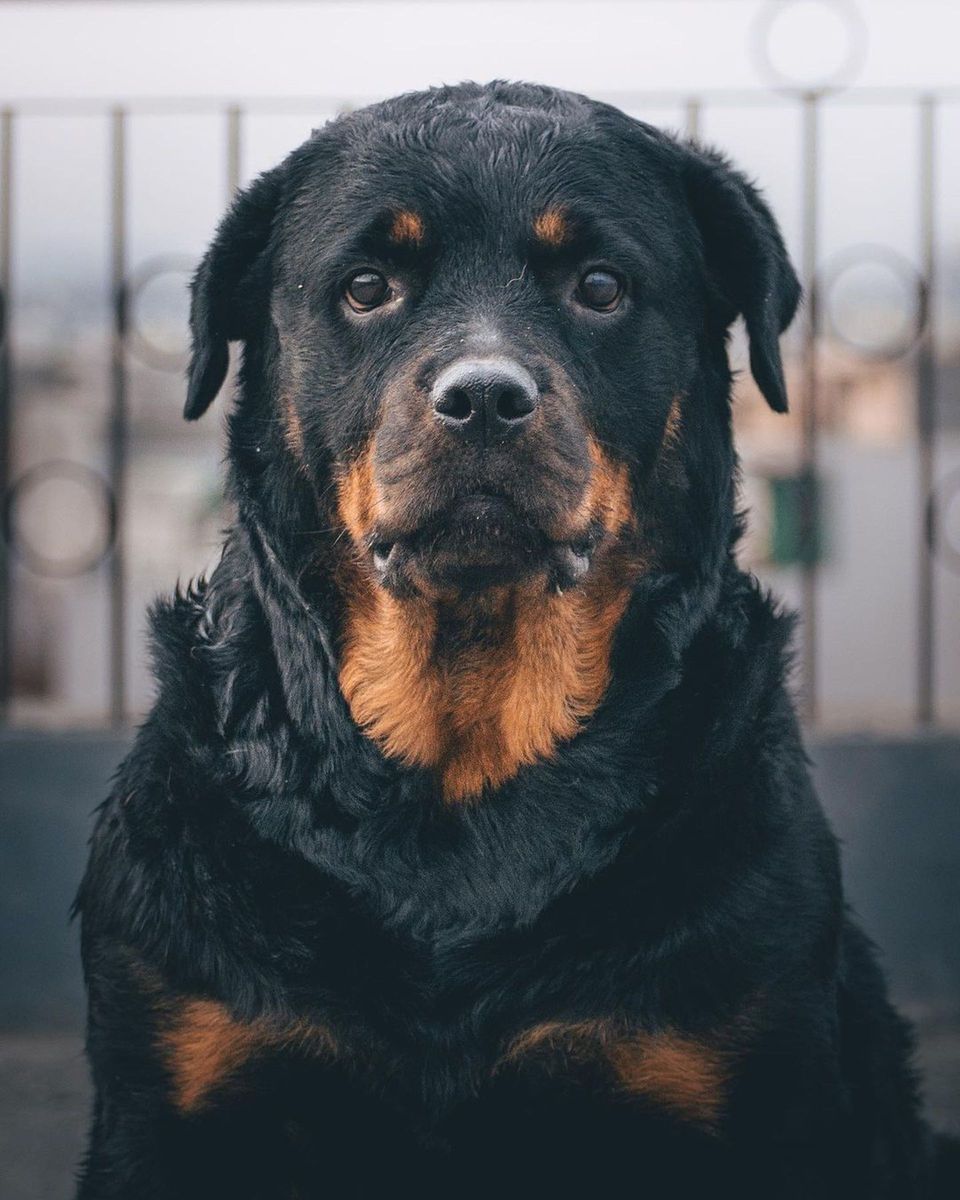
The Boxer is a muscular, square-built dog with a short muzzle, a gleaming short coat and a face that always seems ready for a joke. Developed in Germany from older hunting and guarding types, Boxers combine real strength with a famously goofy streak. Many owners say their Boxer never quite grows up, and the clownish puppy phase can stretch well into adulthood.
Under all that bounce sits a loyal, people-focused dog. Boxers tend to bond closely with their household, keep a watchful eye on the front door and love being in the middle of whatever the family is doing. Most are friendly with visitors once introduced, though their size and enthusiasm mean good manners matter from day one.
Every Boxer is an individual, so treat breed traits as tendencies rather than promises. Meeting adult dogs, talking to breeders or rescues and spending time around the breed is the best way to find out whether that big, wiggly personality suits your life.
Exercise and energy
Boxers are athletic, playful dogs that need proper exercise every day, not just a quick lap around the block. Brisk walks, fetch, tug games and off-lead running in a securely fenced space all help burn off energy. A bored Boxer is often a bouncy, mouthy or destructive Boxer, so daily activity is part of good behaviour rather than an optional extra.
Mental work counts too. Short training sessions, puzzle feeders, sniffing games and dog sports such as agility or obedience give that clever brain something to chew on. Many Boxers love having a little job, even if it is just learning a new trick each week.
One important caveat: with their shortened muzzle, Boxers cope poorly with heat. On warm days, exercise in the cool early morning or evening, carry water, look for shade and stop at the first sign of heavy panting or slowing down. Very cold weather is not their friend either, given that thin, short coat.
Life at home
A Boxer is a house dog through and through. They want to live indoors with their people and do poorly when left alone in a garden or kennel for long stretches. Their short coat offers little protection from heat or cold, which is one more reason they belong inside with the family.
Space helps, but routine matters more than square metres. A Boxer can adapt to a flat if it gets enough exercise and company, although access to a secure garden makes life easier. Expect a bit of drool, the occasional snore and a shadow that follows you from room to room.
Boxers are often wonderful with children they know, but they are big and boisterous, especially as youngsters. Supervise play with small kids and teach everyone calm house rules. Relationships with other dogs vary; some Boxers do not get along with dogs of the same sex, so introductions should be gradual and supervised.
Grooming and coat care
Good news for busy owners: the Boxer's short, close-fitting coat is about as low-maintenance as dog coats get. A quick rub with a rubber grooming mitt or soft brush once or twice a week lifts loose hair and keeps the coat shiny. Boxers tend to stay fairly clean, so baths are only needed now and then, or after a memorable roll in something smelly.
They are not hair-free, though. Expect a steady trickle of short hairs on clothes and furniture, with a little more during seasonal coat changes. Regular brushing keeps most of it off your sofa.
The rest of the routine is simple but important. Trim nails about once a month unless they wear down naturally, brush teeth as often as you can (daily is ideal), and check ears and facial wrinkles while you groom. These quick checks also help you spot lumps, sore spots or skin changes early, which are always worth mentioning to your vet.
Training and socialising
Boxers are bright and keen to engage, but they also have a mind of their own and can get bored with endless repetition. Keep sessions short, varied and fun, and reward the behaviour you want with treats, toys and praise. Harsh methods tend to backfire with this sensitive, playful breed.
Start early. Puppy classes and gentle, positive socialising with people, places, sounds and calm dogs help shape a confident adult. Focus on the basics that matter most with a strong, bouncy dog: keeping four paws on the floor when greeting, walking nicely on a lead and settling on a mat. Jumping up is a classic Boxer habit, so every family member needs to respond the same way.
Once the foundations are in place, Boxers often shine in obedience, agility and other dog sports, and many make lovely therapy dogs. Training is less about perfection and more about giving all that energy a useful outlet.
Health and screening
Boxers are generally sturdy dogs, but like every breed they have some health concerns worth knowing about. Responsible breeders screen their breeding dogs for heart conditions such as aortic stenosis and cardiomyopathy, as well as hip dysplasia, thyroid problems and degenerative myelopathy. The breed is also known to be affected by certain cancers, so any new lump or bump should be checked by a vet.
Because of their shortened muzzle, Boxers can overheat quickly and some breathe noisily. Keep them cool, avoid hard exercise in warm weather and ask your vet what is normal breathing for your dog.
If you are buying a puppy, ask the breeder for the parents' health screening results, including heart checks, and talk through what they test for and why. If you adopt, share any known history with your vet. Regular check-ups give your vet the chance to catch problems early, and any change in breathing, energy or behaviour deserves a call.
Feeding and weight
Most Boxers do well on a complete, good-quality dog food suited to their life stage: puppy, adult or senior. If you prefer home-prepared meals, plan them with your vet so nothing important is missing. The portion guide on the food label is a starting point, not a rule, because activity, age and metabolism all change what an individual dog needs.
Your best everyday tools are your hands and eyes. You should be able to feel your Boxer's ribs under a thin layer of cover and see a clear waist from above. If the waist disappears, trim portions or treats; if ribs and hip bones start to stand out, talk to your vet.
Treats are brilliant for training, but they add up quickly, so count them as part of the daily food. Keep fresh water available at all times, and ask your vet before making big diet changes or if your dog's appetite or weight shifts unexpectedly.
Is a Boxer right for you?
A Boxer could be a great fit if you want an affectionate, funny, energetic companion and you have time for daily exercise, training and play. They suit active households who like having a dog involved in family life, don't mind a little drool and short hair, and appreciate a dog that is watchful but friendly. Anyone who wants easy coat care will enjoy them too.
Think twice if you are away for long hours most days, live somewhere very hot without good ways to keep a dog cool, or want a calm, low-energy dog that is happy to lounge all day. A powerful, bouncy Boxer can also be a lot for frail adults or homes with very young children, unless play is carefully managed.
Above all, remember that individuals vary. An adult Boxer from a rescue, whose temperament is already known, can be a wonderful option for many families.
Quick questions
Do Boxers shed? Yes, a little. Their short coat sheds lightly but steadily, and weekly brushing helps.
Are Boxers good with children? Many are affectionate and patient with kids they know, but their size and bounce mean play needs supervision.
Can a Boxer live in a flat? It can work with plenty of daily exercise and company, though easy access to outdoor space helps.
Why do Boxers struggle in hot weather? Their shorter muzzle makes cooling down harder, so plan walks for the cooler parts of the day.
Sizes and varieties
| Adult weight (kg) | Height (cm) | |
|---|---|---|
| Adult males | 29–36 | 58–64 |
| Adult females | 23–29 | 55–60 |
Characteristics and everyday care
Broad tendencies, not scores or guarantees about an individual animal. Age, health and variety also affect needs.
- Large size
- A broadly large adult build; allow suitable space and handling.
- High activity needs
- Plan an active daily routine and mental enrichment, adapted to the individual.
- Basic coat maintenance
- Usually a simpler coat routine, not an absence of skin, nail, or dental care.
- Some shedding
- Expect loose hair; season and the individual coat affect the amount.
References
General information, not veterinary advice. Talk to a vet about your pet’s individual needs.