Australian Shepherd
A clever, tireless herding dog who thrives with an active owner, daily training and a real job to do, and struggles when bored.
- Lifespan
- 12–15 years
- Adult weight
- 18–29 kg
- Height
- 46–58 cm
- Size
- Medium
- Energy
- High
- Grooming
- Regular
- Shedding
- Moderate
Depends on the individual. Training, children, other pets and time alone vary from animal to animal. These parts of the guide help:
Jump to a section
Meet the Australian Shepherd
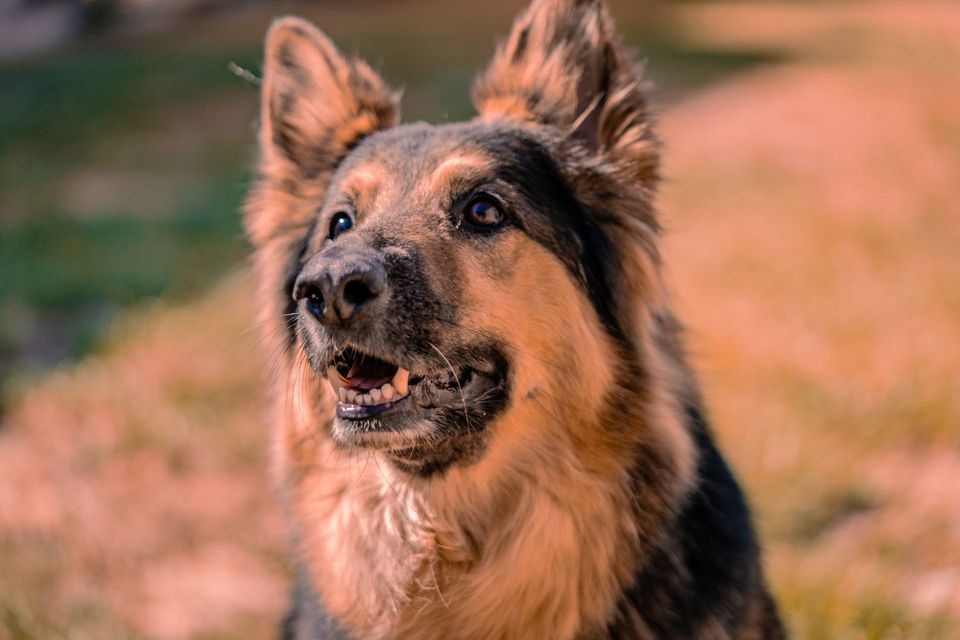
Despite the name, the Australian Shepherd was developed in the western United States as an all-round ranch dog, moving livestock and keeping an eye on the homestead. Aussies are medium-sized, athletic and eye-catching, often wearing merle coats in blue or red with copper and white trim, and sometimes eyes of two different colours.
What really defines them is not the look but the brain and the drive. Aussies are clever, quick, keen to work and deeply attached to their people. They tend to be reserved with strangers and devoted to their family, and they want to be part of whatever is happening, ideally with a task attached.
That mix makes them superb partners for active people and frustrating housemates for anyone expecting a relaxed pet. Breed traits describe tendencies, not guarantees, so meet adult Aussies, ask plenty of questions and be honest about how much time and energy you can offer every single day.
Exercise and herding drive
Aussies are high-energy working dogs, and they need a lot of daily activity: think an hour or two of real exercise, not a stroll to the corner shop. Hiking, running together once the dog is fully grown, fetch and off-lead play in a secure area are all good starts. Exercise on its own is not enough, though.
The herding instinct is very real. Without an outlet, many Aussies herd whatever moves: circling children, nipping at heels, chasing bikes or trying to round up the cat. Channel that drive into structured activities such as herding lessons, agility, obedience, rally, frisbee or dock diving. These give the dog a job with clear rules, which is exactly what the breed was made for.
Mental stimulation matters just as much as running. Daily training games, scent work, puzzle feeders and new tricks tire an Aussie out in a way a walk cannot. A dog whose brain stays underused often invents its own projects, usually involving your furniture.
Life at home
An Aussie is happiest living indoors as part of the family, with access to a securely fenced garden for running and play. A busy rural or active suburban home suits many of these dogs well, while flat life is possible only with a committed owner who provides plenty of outdoor exercise and daily brain work.
Aussies bond tightly with their people and can become anxious, noisy or destructive if they are left alone for long hours too often. They may also be watchful and protective of their territory, so early, positive socialising helps them learn that visitors and delivery drivers are not intruders.
With children, Aussies are often loving and playful, but herding behaviour can show up as circling or nipping during excited games. Teach kids calm play, supervise interactions and give the dog a quiet spot to retreat to. Introductions to other pets should be gradual, especially with small animals that like to run.
Grooming and coat care
The Aussie wears a medium-length, weather-resistant double coat, so regular brushing is part of the deal. A thorough session once a week keeps the coat tidy and helps prevent tangles behind the ears, on the legs and around the tail. During seasonal shedding, extra sessions with an undercoat rake every couple of days will save you a lot of hoovering.
Aussies love the outdoors and often come home dusty or muddy, but they don't need frequent baths. Let mud dry and brush it out, and save baths for when they are truly needed.
Round out the routine with regular nail trims, frequent tooth brushing and ear checks, since ears can collect debris and wax. Grooming time is also a good moment to look for burrs, ticks, lumps or sore spots. If you notice anything unusual on the skin or in the coat, ask your vet to take a look.
Training and mental work
Aussies are among the most trainable dogs you will ever meet, which is both a gift and a responsibility. They learn fast, so they pick up bad habits just as quickly as good ones. Reward-based training with food, toys and play suits them well, and short daily sessions keep their minds busy.
Start socialising early and keep going. Gentle exposure to new people, places, sounds and calm dogs helps stop the breed's natural reserve from turning into fearfulness or overprotectiveness. Teach a solid recall, impulse control and a reliable settle, so your dog learns that switching off is a skill too.
Beyond the basics, give your Aussie a job. Herding instruction, agility, obedience, tracking or trick training all channel that drive in a constructive way. Energetic Aussies without enough training or outlets are a common sight in rescues, so plan training as a lifelong part of daily life rather than a puppy-only project.
Health and screening
Aussies are generally healthy, active dogs, but there are breed concerns worth knowing about. Responsible breeders test their breeding dogs for hip dysplasia and eye conditions such as cataracts and Collie eye anomaly, and they talk openly about epilepsy and certain cancers. Ask to see the parents' screening results and a clear explanation of what was tested.
Colour matters too. Mating two merle dogs carries a known risk of puppies with impaired sight and hearing, which is why the UK's Royal Kennel Club does not register puppies from merle-to-merle matings. A responsible breeder will happily explain how they plan pairings with this in mind.
At home, check ears and teeth regularly and keep your dog lean and fit to support its joints. Book routine vet visits, and contact your vet promptly if you notice changes in vision, coordination, behaviour or energy. Your vet is the right person to advise on screening and care for your individual dog.
Feeding and weight
A complete, good-quality dog food that matches your Aussie's life stage is the usual foundation, whether you choose commercial food or home-prepared meals planned with your vet. Busy working dogs and calmer companions can need quite different amounts, so treat the feeding guide on the label as a starting point and adjust from there.
Watch the dog rather than the bowl. You should be able to feel the ribs easily without pressing hard, and see a clear waist when you look down from above. A fit, lean Aussie moves more freely and puts less strain on its joints, which matters for such an athletic breed.
Training treats are part of daily life with an Aussie, so count them in the total and use small pieces or part of the regular meal as rewards. Fresh water should always be available. If your dog's weight, appetite or energy changes, or you are planning a big diet switch, check in with your vet first.
Is an Australian Shepherd right for you?
An Aussie could be a wonderful fit if you lead an active outdoor life and enjoy training as a hobby. They suit people who want a true partner for hiking, running or dog sports, who have time for daily exercise and brain games, and who like the idea of a loyal, watchful dog that sticks close by. Experienced owners, or motivated beginners with good support from a trainer, tend to do best.
Think twice if you work long hours away from home, prefer relaxed weekends on the sofa, or want a dog that greets every stranger like an old friend. Weekly brushing and shedding season are also part of the package, and herding habits around small children need careful management.
If you are unsure, try meeting adult Aussies through breed clubs or rescues. An adult with a known temperament and energy level can make the decision much clearer.
Quick questions
Are Australian Shepherds from Australia? No. Despite the name, the breed was developed in the United States as a ranch and herding dog.
How much exercise does an Aussie need? A lot: plan for an hour or two of active exercise every day, plus training or puzzle games.
Do Aussies shed? Yes. Expect moderate shedding year-round and heavier coat loss in shedding season.
Why does my Aussie nip at heels? That is often herding instinct. Redirect it with training, toys and structured activities rather than punishment.
Sizes and varieties
| Adult weight (kg) | Height (cm) | |
|---|---|---|
| Adult males | 23–29 | 51–58 |
| Adult females | 18–25 | 46–53 |
Characteristics and everyday care
Broad tendencies, not scores or guarantees about an individual animal. Age, health and variety also affect needs.
- Medium size
- A broadly medium adult build, not a precise weight band.
- High activity needs
- Plan an active daily routine and mental enrichment, adapted to the individual.
- Regular brushing
- Allow regular brushing time and care appropriate to the coat.
- Some shedding
- Expect loose hair; season and the individual coat affect the amount.
References
General information, not veterinary advice. Talk to a vet about your pet’s individual needs.