Pug
A small companion with a short coat and a strong interest in company. A Pug’s flat face makes health planning central to responsible ownership, not an optional extra.
- Lifespan
- 13–15 years
- Adult weight
- 6.3–8.1 kg
- Height
- 25–33 cm

A companion first: what living with a Pug can feel like
The Pug is a small companion dog, not a miniature endurance athlete. Its appeal often lies in everyday interaction: a dog nearby while you work, a playful interruption to a quiet evening, or an enthusiastic greeting when the household gets moving. That closeness can be rewarding, but it is also a commitment to time and attention.
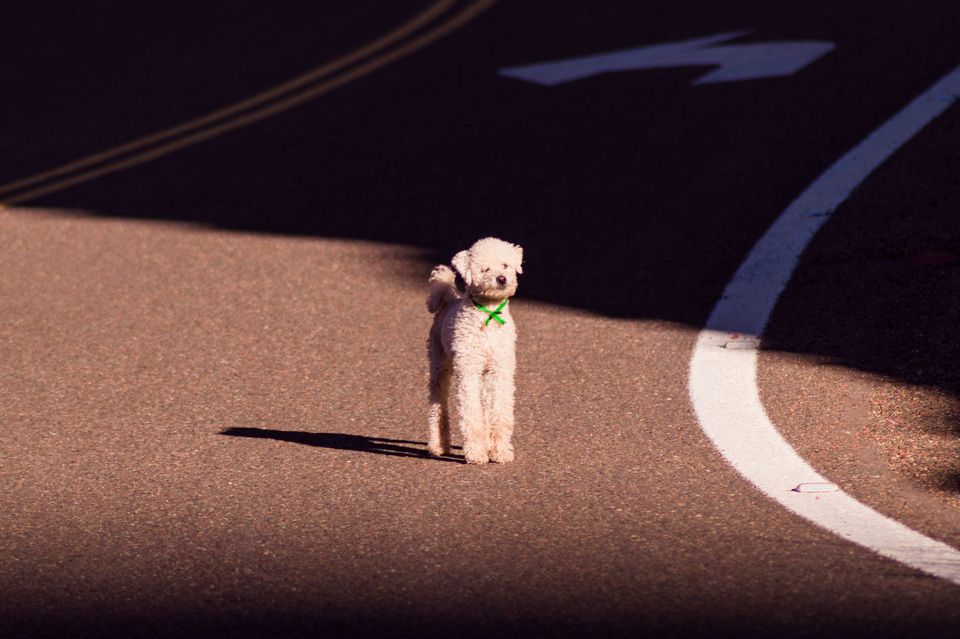
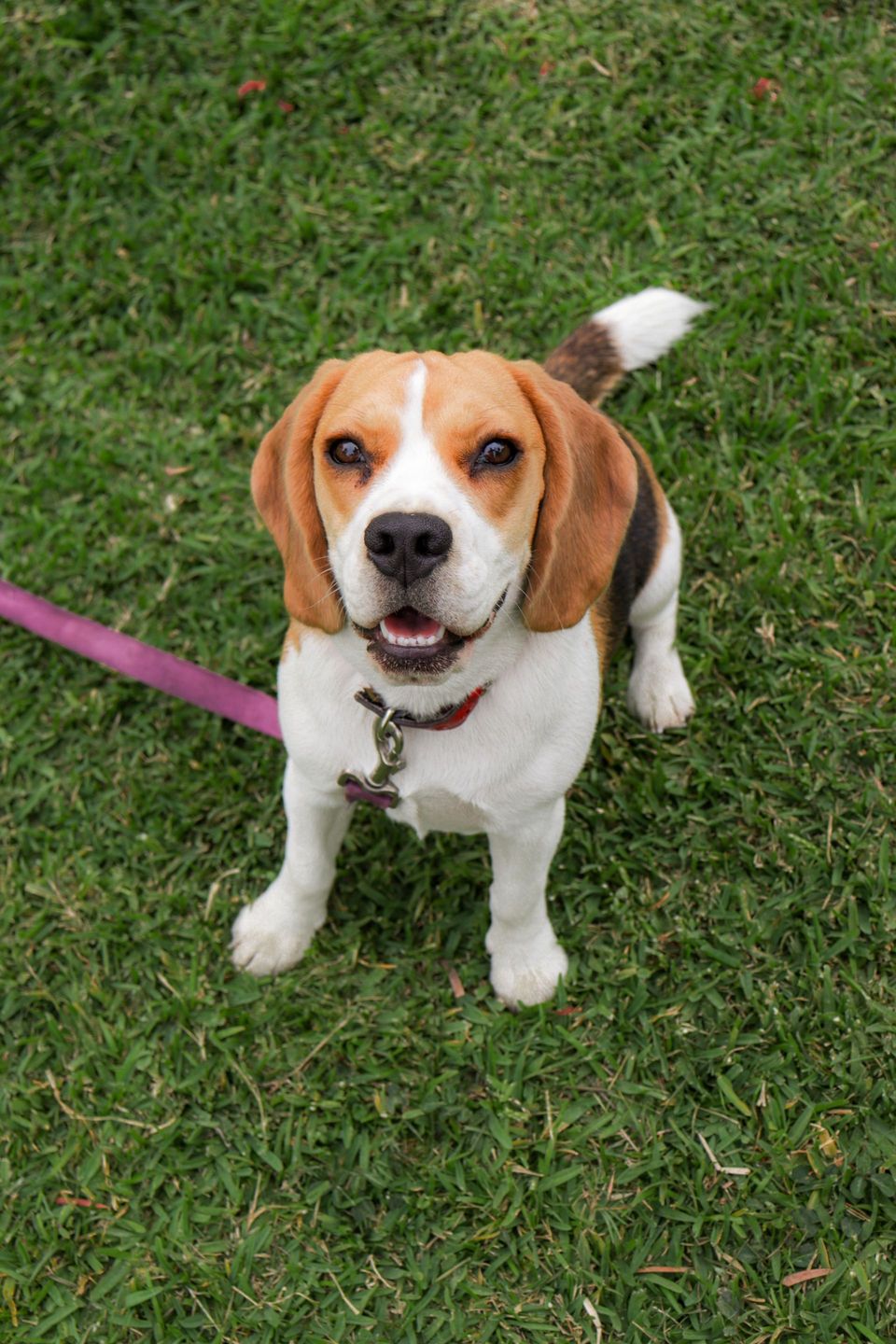
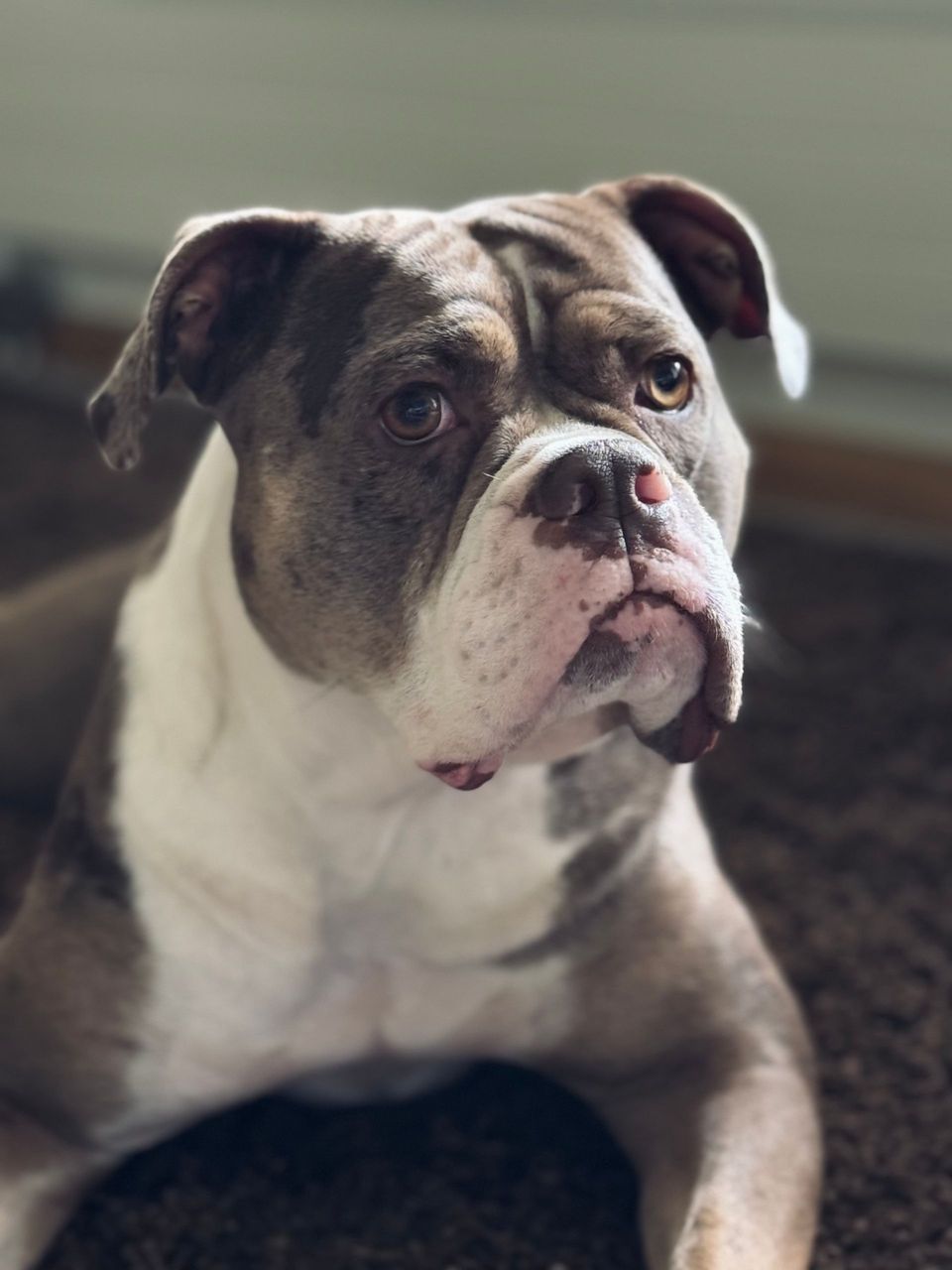
Before choosing one, picture an ordinary Tuesday rather than a holiday. Who handles toilet breaks during meetings? Where can the dog rest without being disturbed? What happens when everyone leaves? A useful breed guide should help answer those questions, not just describe a cute face. The photographs on this page show different dogs; neither appearance nor pedigree tells you everything about temperament or health.
Affectionate, attention-seeking—and sometimes strong-willed
Pugs are commonly described as sociable and strongly attached to people. Some owners call that “needy”: following a person between rooms, asking for contact, or struggling when company disappears. Others describe a dog as “stubborn” when it would rather keep sniffing than respond to a cue. These are useful starting points for a conversation, not diagnoses or promises about every Pug.
Describe what actually happens. Does the dog ignore a cue only in busy places? Can it settle on a bed while you are nearby? Has a new reluctance to walk appeared suddenly? The practical response depends on the answer. Do not turn a breed label into a reason to ignore discomfort, fear or an unmet need. Meet the individual dog and ask its carer for examples from normal daily life, including the less convenient moments.
Company, alone time and a realistic working day
A people-oriented dog is worth thinking carefully about if your home is empty for much of the day. Do not assume a second pet, a camera or a basket of toys will solve an absence problem. Plan reliable human help before arrival: a suitable sitter, family member or other arrangement that works for this particular dog.
As an owner-planning exercise, write down your longest regular absence, not your average one. Include commuting, shopping and social plans. Ask the current carer what the dog already manages comfortably and how that was assessed. Build any new routine gradually with professional support when needed. Distress during absences deserves help, not punishment or the assumption that the dog is being spiteful. A specific number of hours is not a universal welfare guarantee.
Training a Pug without a battle of wills
Use reward-based methods and make the task understandable. A practical starting session might be one quiet room, one simple cue and a few successful repetitions, followed by a break. Decide what success looks like before asking: coming a short distance, stepping onto a mat, or allowing a brief, comfortable equipment check. This is an example, not a fixed programme for every dog.
If the task is not working, change the setup rather than repeating the cue louder. Reduce distractions, make the step easier and check that the reward is worthwhile to the dog. Agree household rules so one person is not rewarding what another discourages. Keep a short note of what worked. Ask a qualified reward-based trainer for help if you are stuck; behaviour that changes suddenly also warrants a conversation with your vet.
Children, other dogs and household pets
A sociable reputation does not make introductions automatic. A Pug may enjoy another dog’s company, but compatibility depends on both animals and how they meet. Ask about previous experience rather than accepting “good with dogs” as a complete answer. Was that with one familiar companion or many unfamiliar dogs? Could each animal choose to move away?
For your household plan, identify separate resting and feeding spaces and a way to pause an interaction. Teach children that a resting dog is not an invitation to hug or pick it up, and actively supervise contact. For cats and smaller pets, make a species-appropriate safety plan before any meeting; friendliness toward people does not establish safety around another animal. Seek qualified help when the history is unclear or either animal appears uncomfortable.
Walks, play and outdoor adventures at a suitable pace
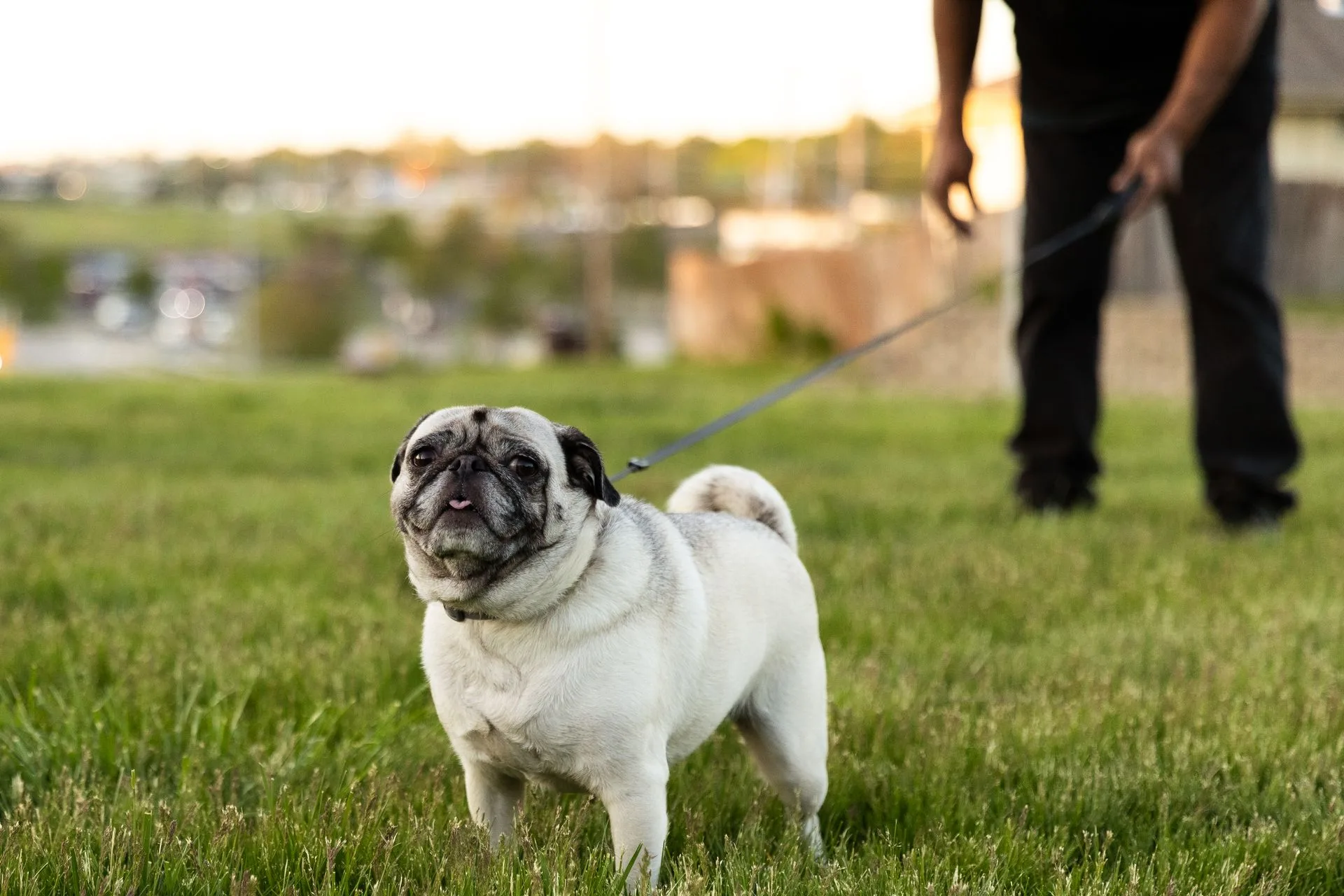
Short-nosed dogs need particular care in warm conditions. Do not use a photograph of a Pug outdoors as evidence that a long hike, a hot beach or a forest run is appropriate. Shade does not make every temperature safe, and an enthusiastic dog still needs an owner who is prepared to stop. Discuss the individual dog’s limits with your vet.
For planning, choose an easy route with an early way home, bring water and check the conditions before leaving. Have a quieter indoor option for unsuitable weather: a short learning game or gentle interaction instead of an outing. Breathing difficulty, weakness or collapse needs urgent veterinary attention. If overheating is suspected, contact a veterinarian immediately. This page does not provide a first-aid or treatment protocol.
Can a Pug live in an apartment?
An apartment can be part of a workable plan, but floor area alone is a poor test. Consider temperature control, easy access to toilet breaks, a quiet resting area and the amount of company available. A garden is convenient for some routines, not a substitute for interaction or appropriate activity. There is no evidence-based minimum number of square metres offered here.
Walk through your actual building before committing. Think about stairs, lift access, noisy corridors and where you would wait safely before going outside. Then plan for a less convenient day: a broken lift, a heatwave or an owner who is unwell. These are household questions rather than breed promises. If the plan only works when everything goes perfectly, arrange backup care before bringing a dog home.
Food motivation, portions and the treat budget
Treat feeding as an individual care plan, not a breed-wide number of grams. The amount depends on the food’s energy density, life stage, body condition, activity and health. Start with the product guidance and discuss adjustments with your vet; the adult reference weight shown above is not a target that suits every Pug.
A useful household system is to measure the agreed daily allowance and keep everyone’s contributions visible. If several people train or feed the dog, agree who counts those extras. Ask your vet whether part of the normal ration can be used during training. Keep a record of weight and body condition checks so changes can be discussed early. Do not cut food sharply or start a home-designed weight-loss diet without professional advice.
A short coat still means regular care
Pugs can shed noticeably despite their short coat. Put brushing and cleaning into the real weekly routine, rather than treating short hair as maintenance-free. Facial folds also deserve attention; ask your vet to show you a suitable care method and what changes should prompt an appointment. Avoid choosing products from an online breed checklist without checking that they suit your dog.
Make handling a calm, gradual process. As a practical starting point, show the brush, allow a brief comfortable touch and end before the dog becomes distressed. Build from what the dog tolerates, not from the amount you hoped to finish today. Keep notes of recurring skin concerns and bring them to the vet. Routine care should also include an agreed dental and nail-care plan, not only the parts visible in a photograph.
Breathing, eye health and a long-term care budget
Flat-faced anatomy brings important welfare concerns, including breathing difficulties and eye problems. Do not dismiss noisy breathing or poor exercise tolerance as an amusing personality feature. Ask a vet about the dog you are considering, its records and relevant assessment, rather than relying on a reassuring appearance or a seller’s claim.
Before committing, ask practical questions: what follow-up care is already needed, which records are available, and how would you cover an unexpected bill? Compare insurance terms carefully if considering cover; do not assume a policy includes a pre-existing condition. Keep routine check-ups and preventive care in the budget too. This page cannot diagnose a dog, assess its breathing from a photo or promise that screening prevents every problem. The lifespan figure is a cited reference range, not an individual forecast.
Who should think twice before choosing a Pug?
Pause if your ideal dog must spend long days alone, join you on demanding outdoor trips or require almost no ongoing care. Those expectations are not a fair starting point for this breed. Small size can make some practical arrangements easier, but it does not remove veterinary costs, daily attention or the need to learn about the individual.
For a first meeting, bring your questions rather than a decision. Ask about a normal day, settling, time alone, handling and previous experience with other animals. Check veterinary records and take time to consider the answers. Adoption can be worth exploring, including an adult dog whose routine is better known. The right outcome may be a different dog, a different breed or waiting until your circumstances change.
Quick answers before you decide
How long do Pugs live? AKC lists a 13–15-year breed reference range. This is not a promise and does not mean serious health concerns can be ignored.
Are all Pugs needy or stubborn? No. Those labels describe some owners’ experiences, not a test result for every dog. Ask about observable behaviour and the context in which it happens.
Is a Pug automatically safe with children or cats? No. Plan supervision, introductions and an assessment of the actual animals.
Is a Pug a good hiking dog? Do not choose one on the assumption that it will manage long or strenuous trips. Ask your vet about suitable activity and plan for the weather.
How much food does a Pug need? There is no single accurate gram amount for the breed. Food energy, body condition and individual needs matter.
Characteristics and everyday care
Broad tendencies, not scores or guarantees about an individual animal. Age, health and variety also affect needs.
- Small size
- A broadly small adult build; confirm the individual dog’s measurements.
- Moderate activity needs
- Daily suitable activity is still needed; age and health change the plan.
- Basic coat maintenance
- Usually a simpler coat routine, not an absence of skin, nail, or dental care.
- More shedding
- Allow for brushing and cleaning, including seasonal changes.
- With children: supervision is essential
- Consider the individual dog’s history and comfort around children. Teach respectful handling, provide a quiet retreat, and actively supervise interactions. A breed label is not a promise of safety.
Life in pictures
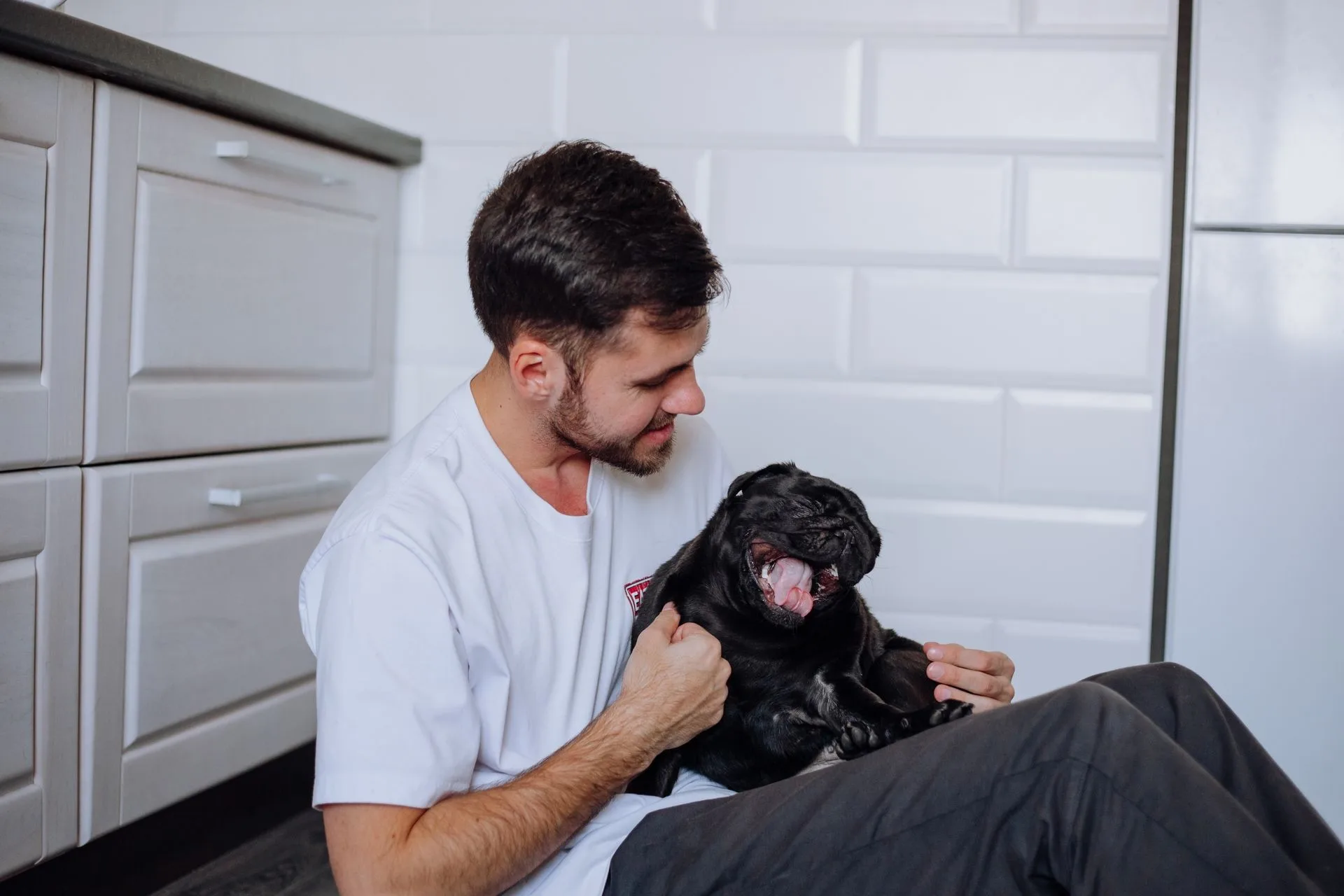
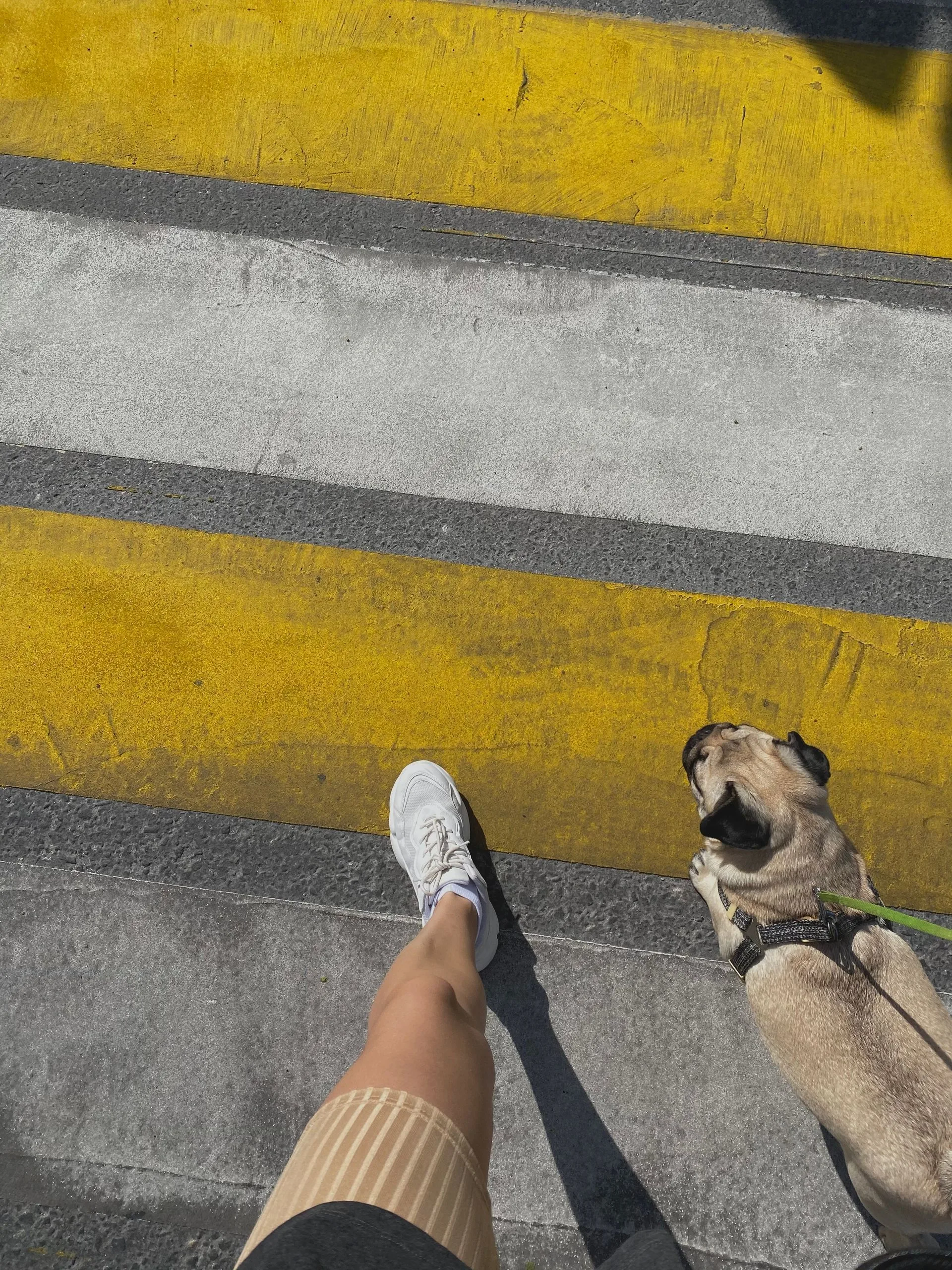
Different animals, different everyday settings. These representative photos do not verify pedigree or show an exercise recommendation.
Swipe or use the arrows to browse.
References
General information, not veterinary advice. Talk to a vet about your pet’s individual needs.