Border Collie
A herding dog for people who enjoy an involved daily routine. Think about the work you can offer, not just the walks you can fit in.
- Lifespan
- 12–15 years
- Adult weight
- 14–20 kg
- Height
- 48–53 cm
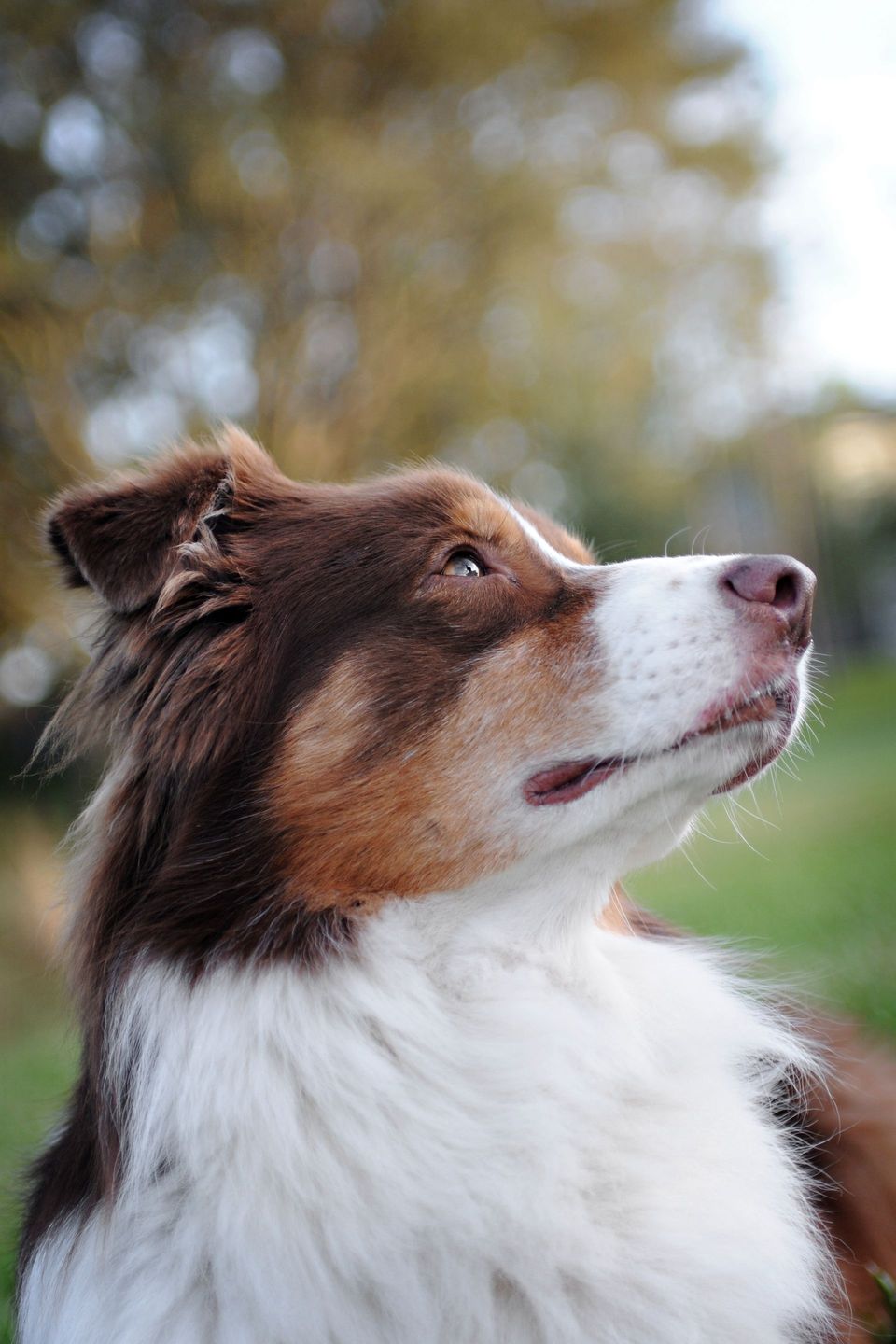
Getting to know the breed
A herding dog for people who enjoy an involved daily routine. Think about the work you can offer, not just the walks you can fit in.
Personality in everyday life
A Border Collie can notice movement and changes in a routine that people barely register. Watch what your dog focuses on: passing bicycles, running children or a game that never seems to finish. Teach a comfortable way to disengage instead of encouraging every chase or treating intense attention as disobedience.
Learning is not only about adding harder tasks. Practise a clear end to play, quiet time nearby and simple activities that do not depend on constant instructions. Ask the previous carer how the dog settles on an ordinary weekday. An impressive performance in a training session does not tell you whether your working-day routine is a good fit.
Activity and enrichment
Herding ancestry makes training and mental challenges an important part of planning. Combine appropriate movement with rewarding tasks and opportunities to settle.
Home and space
Write down an ordinary working-day plan: outdoor time, rest, learning and company. Floor area and a garden alone do not describe quality of life. Check housing rules and safe walking options.
Think beyond the size of the garden. Where can the dog rest without watching every movement through a window? Can household members follow the same routine, and is there a practical plan for busy days? An outdoor area does not replace shared activity. Introduce new household events gradually and make space for uninterrupted rest.
Food and feeding
Before arrival, prepare questions for your vet: which complete food suits the life stage, how should body condition be monitored, and when should portions change? Do not set food grams from a breed name alone.
Count training rewards as part of the daily food allowance, especially when learning is a large part of your routine. Active days and quiet days may differ, but avoid changing portions simply because the breed has an energetic reputation. Review body condition and the individual workload with your veterinary team.
Coat and everyday care
Schedule brushing and expect seasonal loose hair. Check the actual coat before deciding which brushes and routine suit this dog.
Learning and social life
Ask the previous carer about handling, travel, visitors and other pets. Plan gradual introductions and reward-based learning. Actively supervise children and animals together.
Health and welfare
Request veterinary records and ask which health screening is relevant to this breed and individual. Make a routine-care plan with your vet and budget for unexpected costs. This profile is not a diagnosis.
Before you decide
Compare needs with your time, budget and experience, then meet the individual animal. Who will help during travel or illness? Consider adoption too; a good match does not depend on a pedigree.
Characteristics and everyday care
Broad tendencies, not scores or guarantees about an individual animal. Age, health and variety also affect needs.
- Medium size
- A broadly medium adult build, not a precise weight band.
- High activity needs
- Plan an active daily routine and mental enrichment, adapted to the individual.
- Regular brushing
- Allow regular brushing time and care appropriate to the coat.
General information, not veterinary advice. Talk to a vet about your pet’s individual needs.